
Building Game Worlds Since 2021
We help aspiring environment artists master the technical and creative skills needed to design immersive 3D spaces for games. Our approach combines hands-on projects with real-world workflows used in studios today.
How did we start teaching environment design?
The idea came from watching talented artists struggle with the gap between tutorials and actual production work. You could model a crate perfectly but had no idea how to build a believable alley. We wanted to fix that disconnect.
Our first seminar had 11 participants and ran for eight weeks. We focused entirely on one environment from concept to final render. Everyone finished with a portfolio piece and a clear understanding of the full pipeline.
What worked then still works now. We keep groups small, projects focused, and feedback immediate. No recorded lectures, no automated grading. Just direct mentorship from artists who build game worlds professionally.
What changed over time
We added more specialization tracks as tools evolved. Participants can now focus on modular kits, organic landscapes, or architectural interiors depending on where they want to work.
Who guides the learning process
Our instructors work on shipped titles and bring current production methods into every session.
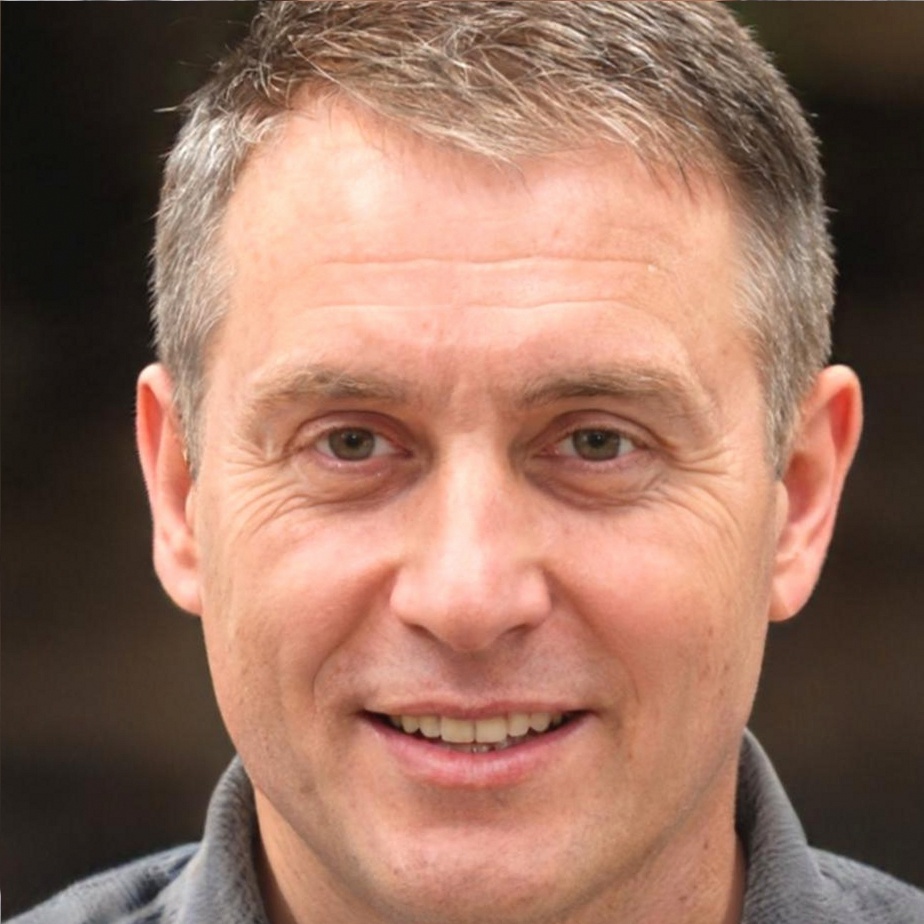
Dashiell Kemp
Lead Environment Artist
Spent six years at mid-size studios building levels for action and RPG titles. Specializes in modular workflows and optimization for real-time rendering.
Thora Lindqvist
Technical Artist
Bridges the gap between art and engineering. Focuses on shader development, lighting pipelines, and solving performance bottlenecks in complex scenes.
Rune Bakke
Concept & Blockout Specialist
Teaches spatial design principles and rapid prototyping. Helps participants develop strong composition skills before touching final assets.
Principles that shape our teaching
Production context matters more than perfection
We teach artists to make smart decisions under constraints. A scene that renders at 60fps and reads clearly from gameplay distance beats a technically flawless asset that tanks performance.
Iteration reveals problems you can't predict
First versions always have issues. We build multiple review cycles into every project so participants learn to critique their own work and adjust direction based on feedback.
Collaboration skills open more doors than solo talent
Studios need artists who can integrate with existing pipelines and communicate clearly with other departments. We structure projects to mirror real team dynamics.
Understanding limitations makes you more creative
Budget constraints force innovation. We set polygon counts, texture limits, and performance targets that push participants to solve visual problems through clever design rather than brute force detail.
What participants accomplish during seminars
These numbers reflect completed projects and skill progression tracked across our cohorts.
Participants who shipped portfolio pieces meeting industry technical standards
| Focus Area | Projects Completed | Avg Iteration Cycles |
|---|---|---|
| Modular Kits | 28 | 4 |
| Organic Landscapes | 19 | 6 |
| Architectural Interiors | 23 | 5 |
| Stylized Environments | 14 | 5 |

How we structure the learning experience
Our seminars follow a project-based model where you build one complete environment from scratch. This isn't about watching demonstrations. You make decisions, encounter problems, and solve them with instructor guidance.
Sessions run twice weekly with dedicated review time between them. You'll present work in progress, explain your technical choices, and receive targeted feedback on what's working and what needs adjustment.
Week-long assignments with clear deliverables and technical requirements
Direct critique sessions where instructors mark up your files and explain improvements
Access to production assets and reference material from shipped games
Final presentation where you document your process and technical decisions